
The Mother of the Boston Tea Party
 It was a cold December night in Boston. The harbor was dark, but the city was alive with anger. Three British ships sat at Griffin’s Wharf; their holds filled with tea. On shore, thousands of colonists waited. Something big was about to happen.
The men who would board those ships knew they were taking a tremendous risk. If they were caught, they could face arrest, imprisonment, or worse. They disguised themselves and prepared to enter the harbor under the cover of darkness. But before the men disappeared into the night, someone had helped them prepare.
That person was not a soldier. She was a woman. Her name was Sarah Bradlee Fulton, and history would remember her as the “Mother of the Boston Tea Party.”
Sarah was born in 1740 near Boston, Massachusetts. She lived during a time when the relationship between the American colonies and Great Britain was rapidly falling apart. Parliament was passing laws and taxes that many colonists believed violated their rights. Sarah could not vote. She could not serve in the colonial government. But she could still make a difference. And she did.
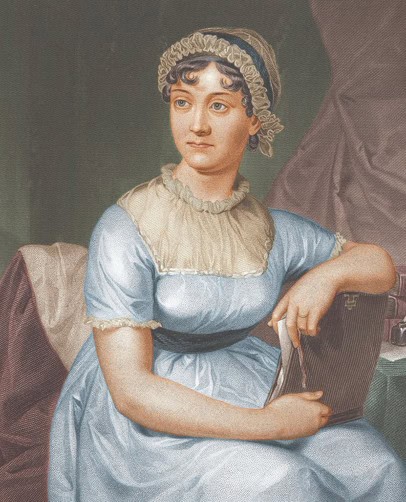 Sarah became involved with the “Daughters of Liberty”, women who supported the growing resistance to British policies. They organized boycotts, encouraged Americans to make their own goods, and demonstrated that women could play an important role in the struggle for American liberty.
In 1773, Parliament passed the Tea Act, giving the British East India Company special advantages in selling tea in the American colonies. The issue was not simply the price of tea. To many colonists, the larger question was whether Parliament had the right to tax them when they had no elected representatives in Parliament.
Boston’s patriots decided to resist. On December 16, 1773, thousands gathered at the Old South Meeting House. They demanded that the tea ships leave Boston without unloading their cargo. The ships did not leave. As darkness settled over Boston, a group of men made their way toward Griffin’s Wharf.
What happened next would become one of the most famous acts of protest in American history.
But while we remember the men who boarded the ships, we should also remember the woman who helped prepare them for what they were about to do. Sarah Bradlee Fulton was there. According to later accounts, Sarah helped disguise the men and paint their faces so they could conceal their identities. When they returned from the harbor, she helped them remove their disguises. The tea had been destroyed.
Sarah would continue supporting the patriot cause throughout the Revolutionary War. After the Battle of Bunker Hill in 1775, she helped care for wounded soldiers. She gathered supplies and worked with other women to provide assistance to men injured in the fighting. Sarah and her husband used their boat to bring food and supplies to George Washington’s army after the British closed the Boston harbor.
She also helped carry messages during the Siege of Boston, taking risks that could have brought serious consequences if she had been caught. In March 1776, Major John Brooks asked her husband to deliver messages to General Washington. She took the messages herself, on foot, to Washington, passing through the British lines. Washington later visited her home to thank her for her services.
Famous people alone don’t make revolutions. Ordinary people make them by deciding something is worth standing for. Sarah Bradlee Fulton was one of those people. She lived to see the nation she had helped fight for become a reality. She died in 1835 at the age of 94. She had lived long enough to see the result of the struggle she had helped support.
Our History Matters because the people in the background of the famous events are just as important as the people in the spotlight.
Thank you for reading “Our History Matters. I always enjoy hearing from readers; contact me at tj.cox2023@outlook.com with your questions, comments, ideas, or suggestions.