
HCA spokesperson responds to reports that Pulaski hospital is ‘at risk’ of closing
Staff Report
The state Joint Commission on Health Care has released its draft report on the Financial Condition of Virginia’s Rural Hospitals for the Governor and the Virginia General Assembly, and the findings are making news this weekend.
Within the commission’s report is an analysis by the Center for Healthcare Quality and Payment Reform (CHQPR), which lists 13 rural hospitals in Virginia as being at either “immediate risk of closure” – the highest risk level – or “at risk of closure” under CHQPR’s methodology.
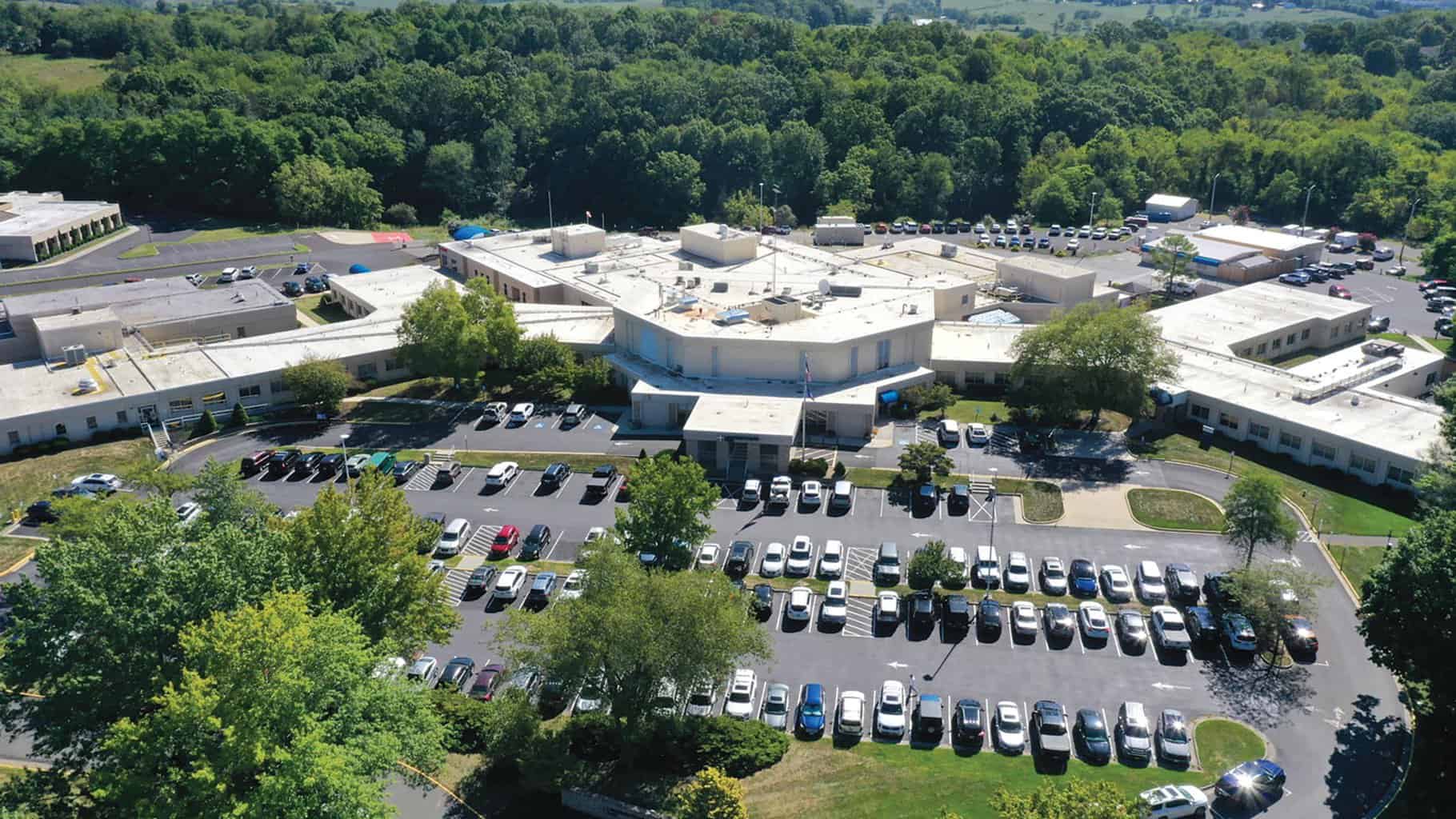
Included in the list are Carilion Giles Community Hospital (at immediate risk) and LewisGale Hospital-Pulaski (at risk).
In response to the report listing Pulaski’s hospital as being “at risk” of closing, Teresa Hamilton Hall, Director, Communications & Community Engagement for LewisGale Regional Health System issued the following statement:
“LewisGale Hospital Pulaski is aware of the recent report and has reviewed its findings. We want to reassure our patients, colleagues and community that LewisGale Hospital Pulaski is not closing. We are operationally sound, remain open and focused on caring for the patients and families who depend on us. The report appears to rely heavily on publicly available financial data. As part of a larger health system, LewisGale Hospital Pulaski does not publicly report individual hospital financial performance in the same way some independent hospitals may. As a result, the report may not fully reflect our hospital’s position as part of a larger healthcare network.”
The Joint Commission’s report says the Center for Healthcare Quality and Payment Reform (CHQPR) analyzes hospital operating margins and financial reserves to identify rural hospitals at risk of closure. The CHQPR uses a threshold-based approach to identify rural hospitals experiencing current financial strain based on observable financial conditions.
The CHQPR framework focuses on two primary indicators of hospital financial health: (i) patient service operating margins, which measure whether revenue from patient care services is sufficient to cover the direct and indirect costs of delivering care and (ii) net assets – the hospital’s accumulated financial reserves.
Hospitals with negative patient service operating margins and low or negative net assets are categorized as being at immediate risk of closure, as they are both operating at a loss and lack sufficient reserves to offset those losses.
Hospitals that have either negative patient service operating margins or low or negative net assets are categorized as at risk of closure.
According to the commission’s report, data on hospital financial performance are derived directly from financial information reported by each facility and reflect a point-in-time assessment of each facility’s financial viability.
CHQPR’s findings indicate that a significant proportion of rural hospitals in the United States are operating with negative patient service margins, and many also have limited or declining reserves.
In 2026, the CHQPR analysis estimates that 309 rural hospitals nationwide fall into the “immediate risk of closure” category, while 734 fall into the “at risk” of closure category.
CHQPR classifies five rural hospitals in Virginia as being at immediate risk of closure and eight as at highest risk of closure.
June 10, 2026 @ 8:28 pm
I do believe some people in Pulaski have their priorities upside down. Let’s build a sports complex for an mostly aging population and let the hospital be in danger of closing.