
Mercy Otis Warren: Her Words and Letters Helped Win Independence
 When we think of the heroes of the Revolutionary War, names such as George Washington, Thomas Jefferson, John Adams, and Patrick Henry usually come to mind. Yet one of the most influential voices of the Revolution never served in the army or held political office. Instead, she fought for liberty with a pen. Her name was Mercy Otis Warren, and her words inspired Patriots, challenged tyranny, and helped shape the birth of the United States.
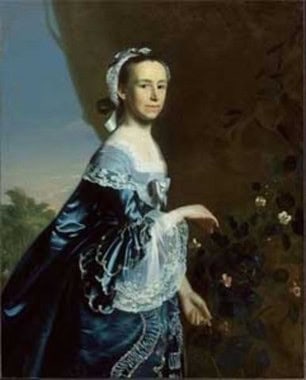
Mercy Otis Warren was born on September 14, 1728, in Barnstable, Massachusetts. Although girls in colonial America rarely received a formal education, Mercy was fortunate. While her brothers were tutored at home, she quietly listened to their lessons and developed a lifelong love of history, literature, and politics. Her father encouraged intellectual curiosity, and she soon proved herself to be every bit as capable as the men around her.
In 1754, she married James Warren, a successful merchant and Patriot leader who shared her passion for liberty. Their home quickly became a gathering place for some of the leading figures of the American Revolution, including Samuel Adams, John Hancock, and later John and Abigail Adams. Mercy listened carefully to their conversations and soon became an important voice in the Patriot movement herself.
Unlike many women of her time, Mercy did not remain silent about politics. Instead, she used satire and drama to criticize British rule. Beginning in 1772, she wrote a series of plays that mocked royal officials, especially Massachusetts Governor Thomas Hutchinson and other Loyalists. Her works were widely circulated throughout the colonies and encouraged resistance to British policies. At a time when newspapers, pamphlets, and public speeches fueled the growing desire for independence, Mercy’s writings became powerful weapons in the fight for freedom.
Mercy was also a prolific letter writer. She maintained a close correspondence with many of America’s Founding Fathers, exchanging ideas on liberty, government, and the future of the colonies. Both John Adams and Thomas Jefferson respected her judgment, and Abigail Adams became one of her closest friends. Through these letters, Mercy helped shape public opinion and encouraged leaders to remain steadfast in their pursuit of independence.
When the Declaration of Independence was adopted on July 4, 1776, Mercy celebrated the achievement but understood that winning the war was only the beginning. She believed that preserving liberty would require wisdom, virtue, and an informed citizenry. Throughout the Revolution, she continued writing essays and poems that encouraged Americans to persevere despite the hardships of war.
Mercy Otis Warren died on October 19, 1814, at the age of 86. Although she did not command troops or sign the Declaration of Independence, her influence reached far beyond the battlefield. She proved that ideas, principles, and persuasive writing could change the course of history just as surely as armies and governments.
Today, Mercy Otis Warren is recognized as one of the most remarkable women of the American Revolution. She demonstrated that patriotism is not measured by military rank or political office but by a willingness to defend liberty wherever it is threatened. Her writings helped awaken a spirit of independence, encouraged thoughtful debate about the Constitution, and preserved the story of America’s founding for future generations.
Our History Matters because the American Revolution was won by more than soldiers on the battlefield. It was also won by courageous citizens like Mercy Otis Warren, whose wisdom, determination, and unwavering commitment to liberty continue to inspire Americans nearly 250 years later.
Thanks for reading “Our History Matters” by T. J. Cox.
I love to hear from readers; please get in touch with me at: tj.cox2023@outlook.com
July 15, 2026 @ 6:11 pm
Interesting story.
July 16, 2026 @ 7:26 am
Thank you once again for a lesson in history, well written and very interesting. I have never heard of this lady and her help in the fight for the freedom of this country. Today we see how the media and other sources can influence our thoughts and beliefs. just like her writings did. Great article!
July 16, 2026 @ 8:06 am
Another excellent article by TJ. Mercy Otis Warren is someone I didn’t know about but obviously should have. The courage from all corners of our country is what made this country and it will make the difference in if it continues.