
She Was a Sculptor of Wax Figures
 She was born in 1725 in Oyster Bay, New York. Her name was Patience Wright, and she would become one of the most unusual and remarkable artists of the American colonial period. Long before wax figures became a familiar attraction in museums, Patience Wright was bringing people to life in wax, creating portraits so realistic that visitors felt they were standing face-to-face with the people themselves.
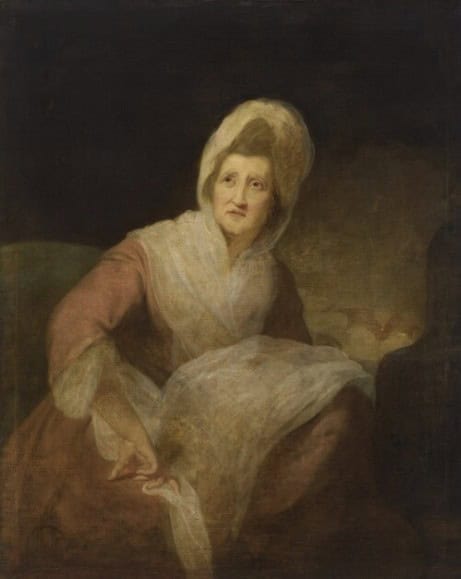
When she was four years old, her Quaker family moved to New Jersey. At sixteen, she moved to Philadelphia, where she began making her own way in the world. In 1748, she married Joseph Wright, a barrel maker who was several years older than she was. Together, they raised four children.
Patience discovered that she had a special talent for shaping faces out of putty, bread dough, and wax. What began as a way to entertain her children soon revealed an artistic ability that would change the course of her life.
In 1769, her husband died, leaving Patience responsible for supporting her family. She joined forces with her sister, Rachel Wells, who was also a widow. Together, the sisters began creating wax portraits for paying customers.
Their business quickly grew in popularity. At a time when photography did not exist, a lifelike portrait offered people a special way to remember famous individuals and important members of society. Patience and Rachel created life-sized figures and busts, carefully coloring the wax and dressing them in real clothing. Glass eyes added to their lifelike appearance, while carefully shaped facial features gave each figure its own personality.
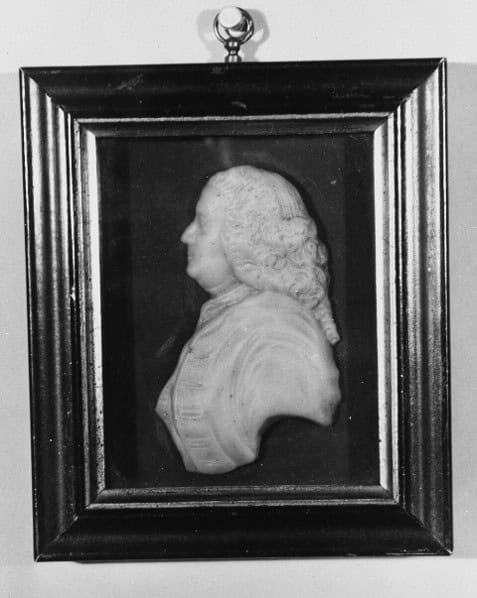
They arranged the figures in poses that reflected the person’s appearance, occupation, or activities. Visitors could walk through the sisters’ exhibitions and see realistic representations of people who might otherwise have been known only through stories or paintings.
The sisters established successful waxwork exhibitions in New York City, Philadelphia, and Charleston. Their work attracted curious visitors who wanted to see these remarkable creations for themselves. Patience Wright had found a way to turn a simple hobby into a livelihood.
In June 1771, a fire destroyed many of the wax figures. She decided to cross the Atlantic and seek new opportunities in London, England. It offered a much larger audience and a society fascinated by famous people, royalty, and public entertainment. Patience established a waxworks exhibition that attracted considerable attention. Her talent brought her into contact with influential people, including Jane Mecom, the sister of Benjamin Franklin. Through these connections, Patience gained access to circles of British society that few women of her background could enter.
Her reputation continued to grow. She created wax figures of prominent individuals and even received the opportunity to make portraits of King George III and members of the British royal family. Imagine the achievement of a woman born in colonial New York, gaining recognition in the royal circles of Great Britain!
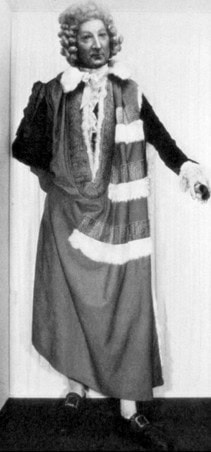
Patience Wright’s story became even more interesting as the relationship between Britain and its American colonies deteriorated. Patience had a secret that few of her British customers suspected. While members of the British nobility admired her wax figures, she was gathering information that could help the colonies in their struggle for independence. Historical accounts say that she was sending secret information to the Colonies hidden inside her wax figures that were sent to America. She was working secretly as a spy to help the American cause.
Today, Patience Wright is remembered as an early American wax sculptor who overcame personal tragedy, built a successful business, and used her knowledge and talents to help the cause of the revolution. Her life reminds us that history is filled with people whose talents and determination carried them far beyond the circumstances into which they were born.
Thank you for reading “Our History Matters. I always enjoy hearing from readers; contact me at tj.cox2023@outlook.com with your questions, comments, ideas, or suggestions.